IRS Notices & Problems Guide – CP2000, CP14, Audits, Penalties & Payment Plans
From the standpoint of Advocate Shahid (Tax Strategy and Advisory Specialist). IRS Notices are formal letters that warn taxpayers of the problems of the tax returns or changes in the accounts, or the needed actions such as payments or verification of identity. Failure to comply with them may result in penalties, interest or liens. The majority of issues could be addressed by responding to the corresponding notice.
Key Aspects of IRS Notices and Problems
Purpose
The IRS sends balance dues, amendment of refunds or information requesting notices.
Types of Notices
What are you looking at? – Notices are numbered, i.e. CP2000 (income discrepancies) or CP3219A (notice of deficiency).
Possible Problems
The most common ones are fines, interest, tax liens or levies on the property in case taxes are not paid after multiple notifications.
But How to Treat Them
Read carefully the notice, compare with your return, and reply before the deadline.
Action Steps
Taxpayers can utilize IRS payments to cover, or request a Collection Due Process Hearing in case they are in disagreement with the notice.
IRS Notices Guide – What IRS Letters and Notices Mean
An IRS notice explained is merely the IRS touching you up on something regarding your tax account. Meaning of an IRS notice varies by letter, however, an IRS letter or an IRS notice by mail can be issued to either a balance due, change of refund, correction of a filing, or verification of your identity, or a question regarding your filing. There are also instances when the same update can be represented as an IRS online account notice. The first thing before going to action is to check the notice number, tax year, deadline to respond and whether the notice requests payment, documents or dispute. The correct process of responding to IRS notice begins by reading all the lines and thus being able to respond to IRS notice correctly.
Why the IRS Sends Notices and What to Check First
The IRS can issue an IRS payment due notice or IRS tax debt notice or IRS tax discrepancy notice or IRS mismatch notice or IRS tax return adjustment notice. Check the amount, the tax year and the precise deadline of IRS notice first.
First Steps Before You Respond to IRS Notice
Get supporting documents, match the notice with your return and verify your online IRS account. Keep a copy of initial mail notice, check your rights as a taxpayer and never miss deadline.
Common IRS Notices Explained – CP2000, CP14, CP501, CP504 and Other Balance Due Notices
This is a complete IRS taxpayer guide to IRS notices and penalties since not all IRS letters convey the same message. Audits such as IRS CP2000 CP14 audits penalties or IRS notices CP2000 CP14 audits penalties can tend to lump entirely dissimilar problems together. CP2000: An income mismatch and is a proposed change to your return based on an underreported income by IRS is generally not a bill. CP14 becomes the initial IRS balance notice. CP501 is an advice that you still owe money. CP504 is more severe in that it alerts the IRS that it is planning to collect, which may include earnings, bank accounts, or state tax refund when the taxes due remains unresolved.
IRS Balance Due Notice vs IRS Underreported Income Notice
A notice of balance due to IRS states that you are owed tax, as well as a potential interest and penalties. An IRS underreported income notice is drawn to missing or mismatched income and submits proposed changes in advance of what could become tax owed being finalized by the IRS. In simple terms, one pursues payment that has already been evaluated, and the other one begins with a review of mismatch.
CP2000 Notice Explained – Underreported Income, W-2 and 1099 Mismatch, and Proposed Tax Changes
One of the most searched tax letters is a CP2000 notice or IRS CP2000 notice, so CP2000 is explained in this case. The IRS declares CP2000 not audit and CP2000 not bill. It is a proposal that you receive when third-party records, which could be W-2 and 1099 mismatch data, differ with the return that you submitted. Such CP2000 underreported income notice can raise tax, reduce tax or have no effect at all. To most taxpayers, IRS notice CP2000 help begins with reading the items of income, reviewing the CP2000 proposed tax changes, and writing up a full CP2000 response.
What Is IRS Notice CP2000 and Why Did You Receive It?
When you ask what is IRS notice CP2000 or what does CP2000 mean at the IRS, then the answer is that the irs noticed a discrepancy in your tax returns and your income or payment records as reported by employers, banks, brokers, and other payers. When there is erroneous information in the IRS income, verify all items listed before you react.
How Long Do I Have to Respond to CP2000?
How many days should I answer CP2000, the standard CP2000 time limit is 30 days after the date of the notice, or 60 days in a case not within the United States. In your CP2000 documentation, you should provide copies of records that back your stand as opposed to originals.
Can I Disagree with IRS CP2000?
Yes, is it possible to disagree according to IRS CP2000? A taxpayer can also file an IRS notice dispute response, also known as a CP2000 disagreement letter, and describe a W-2 mismatch, 1099 mismatch, or other error and provide evidence. In case of continued matter, subsequent IRS notice appeal privileges might be invoked.
CP2000 Payment Options if You Agree
Assuming you agree and require CP2000 payment alternatives, you can pay immediately, wait to pay the bill once adjusted, or apply IRS payment plan IRS solution like an installment agreement as your resolution of the IRS tax problems.
CP14 Notice Explained – First IRS Balance Due Notice, Payment Deadlines, and What to Do Next
Many taxpayers receive a CP14 notice or IRS CP14 notice as the first notice of IRS balance due. The IRS refers to it as a notice that informs you of the amount you owes and how to pay it, and the Taxpayer Advocate Service indicates that the first and the most common balance-due notice is CP14. A tax due notice at CP14 will normally display the tax, CP14 penalties and interest and indicate what you should do next. How to act with regard to CP14 is simple: pay by CP14 payment deadline, ask CP14 payment plan or CP14 installment agreement in case you cannot full pay, or contact IRS in case you disagree. The notice is also available to you in your CP14 IRS online account options.
What Is IRS Notice CP14 and Why Did IRS Send Me a Balance Due Notice?
When you are asking what is IRS notice CP14, what is CP14 IRS, why have I received a CP14 notice, or why have IRS sent me a notice of balance due, it is usually because the IRS is of the opinion that you still owe tax on the year in question denoted on the notice. The notice gives the balance and the mode of payment.
How to Pay CP14 Notice or Set Up a Payment Plan
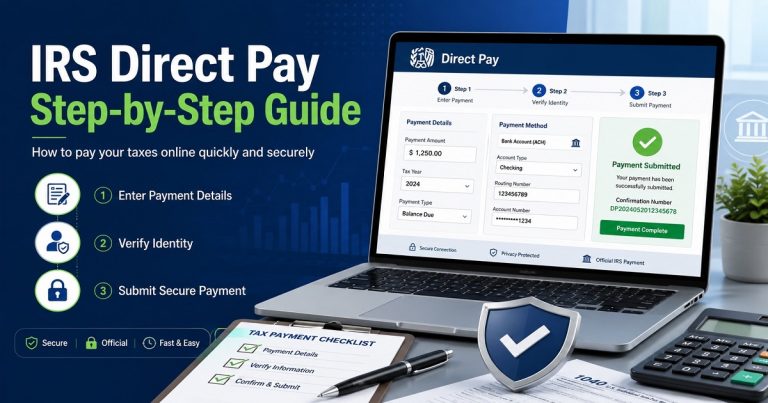
To pay CP14 notice, do the payment instructions on the notice or pay it through your IRS online account. In case of inability to pay in full, CP14 payment plan or CP14 installment agreement could assist. The IRS specially mentions that you can use online application of a payment plan, including installment agreement, in case when you are not able to pay in a lump sum. It is typically the quickest solution to how to establish IRS payment plan.
What If I Cannot Pay a CP14 Notice?
In case you are asking, what about in case I cannot pay a CP14 notice, then do not forget about it. Make the maximum amount payments by the due date in order to minimize any additional amount, and see IRS back taxes help in the form of an IRS payment plan IRS option or in an IRS installment agreement IRS request. In case you think the amount is incorrect, a CP14 dispute IRS response is required to be filed using the contact instructions in the notice and your records.
CP501, CP504, Wage Garnishment and the IRS Collection Process
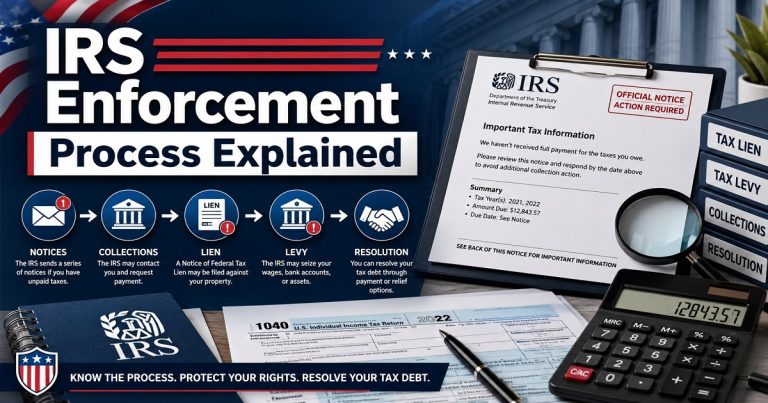
When Internal Revenue Service (IRS) tax bill issues, require IRS back taxes or IRS tax resolution help post-a-notification, it pays to know that IRS collection process gets more aggressive when a balance is not sacrificed. The IRS says that your first bill will begin the process of collection and the process will go on until the account is met or that the IRS has no legal means to collect the tax anymore.
To the reader seeking how to resolve IRS notice issues, CP2000 CP14 audit and penalty assistance, or IRS balance due notice and audit assistance, here is the point, that unpaid balance-due notices shift off of reminder into forced collection. According to IRS, CP504 is the last notice that the IRS is planning to impose tax on wages, bank accounts, or state tax refund. A levy is a process of legal seizure and it may involve garnishment of wages.
What CP501 Means After a CP14 Notice
Another IRS balance due notice and IRS payment due notice are a CP501 notice that is sent due to the fact that the balance is not paid up. The IRS defines CP501 as a reminder that you have a balance due on one of your tax accounts and that you had not received a payment or a response as a result of the prior notice.
CP504, Levy Risk, and Wage Garnishment Explained
CP504 is more serious. It is an IRS tax debt notice which warns the IRS that they will levy on the tax debt unless the debt is paid. Simply put, this is where payment schemes and wage garnishment are pressing matters, as the IRS indicates that the notice informs of the desire to seize wages, bank accounts, or a state tax refund.
How Payment Plans Can Help Stop Escalation
According to the IRS, an IRS payment plan IRS, which also contains an IRS installment agreement IRS, might be an option in case you cannot afford to pay in full. Installment or payment plan would be useful in preventing the aggravation of things but still, balances with unpaid payment will continue earning interest and penalties imposed on late payments until it is fully paid.
IRS Audit Process Explained – Audit Letter, Audit Notice, and Examination Types
The IRS audit or IRS tax examination is an examination of your books, accounts, and financial records to determine that a return has been prepared accurately. Not all IRS audit processes are similar. According to the IRS, audits are either done by mail or through an interview and the key types are correspondence audit IRS, office audit IRS and field audit IRS. In case you require the IRS audit service, you also want to know that the causes of the IRS audit can be different: the IRS indicates that returns can be chosen during the random selection, computer screening, related examination, or matching of the third party information.
What an IRS Audit Notice Means
An IRS audit notice or IRS audit letter refers to the IRS choosing your return to examine and they are informing you of their next course of action. How to respond to IRS audit, How do I respond to an IRS audit notice, or how to handle IRS audit letter, begin by reading the letter, write down the deadline and getting the records the IRS specifically requests. IRS states that first contact is usually initiated by mail and the letter gives the contact information and instructions.
Correspondence Audit vs Office Audit vs Field Audit
A correspondence audit IRS is done through mail. An office audit IRS is a face-to-face interview at an IRS office. A field audit IRS refers to a physical inspection of your home, business or representative office.
IRS Audit Documents and Appeals
Records that are referred to by the name of the notice and any evidence that justifies the items under examination are your IRS audit documents. Otherwise, audit appeal rights might be helpful with IRS. To challenge an IRS audit, the IRS provides that there are cases where Form 12203 or a written protest may be used, depending on the amount and the type of case. Reconsideration of IRS audit reconsideration can also be provided as long as new information exists and the tax has not been paid as anticipated in the previous audit. Always check the notice on your rights of appeal.
IRS Penalties and Late Filing Rules – Failure to File, Failure to Pay, Interest, and Estimated Tax Penalties
The IRS penalties and IRS tax penalties usually feature in an IRS penalty notice in cases where a return is submitted late, tax is paid late, or when estimated taxes are below the actual. According to the IRS, the penalty due date IRS failure is usually 5% per month, but no more than 25% of the penalty, whereas the IRS failure is normally 0.5% per month, but no more than 25% of the penalty.
These IRS late filing penalties, IRS late payment penalties, and other IRS tax debt penalties have the potential to continuously increase as long as the balance is not paid. According to IRS, IRS interest and penalties still accrue and estimated tax shortages may lead to an IRS underpayment penalty or IRS estimated tax penalty.
Failure to File Penalty vs Failure to Pay Penalty
The IRS failure to file penalty is most likely more severe than the IRS late payment penalty. When both are applicable within the same month, the penalty of filing is usually less as the IRS not paying is also being charged.
Interest Charges on Unpaid Taxes
IRS interest on unpaid taxes refers to interest thus accruing the balance until it is completely processed with interest and penalties imposed by the IRS.
Estimated Tax and Underpayment Penalties
Penalties such as an IRS underpayment penalty or IRS estimated tax penalty may be imposed in the event that you do not pay adequate tax in the year or because of late payment of estimated tax.
IRS Penalty Relief and Penalty Abatement – How to Reduce IRS Penalties
Penalty relief by IRS and IRS penalty abatement can be provided in case you wish to know how to minimize IRS penalties or enquire, Can IRS penalties be removed. According to IRS, relief can be granted when you made some attempts to comply but were not able to do so due to circumstances, which are not under your control. It also provides administrative relief in certain situations with IRS first time penalty abatement, also known as IRS penalty waiver on a first qualifying period. The IRS also takes notice of the fact that in case you request the relief of IRS reasonable cause penalties and are eligibly eligible to receive abate on a first-time basis, it can apply that relief. This is usually where one begins to seek IRS relief of penalties.
Reasonable Cause Penalty Relief
The reasonable cause penalty relief of IRS is grounded on facts and circumstances. According to the IRS, such a penalty relief can be extended in case you have demonstrated ordinary business care and prudence and could still not obey due to the influence of the events which were beyond your control.
First Time Penalty Abatement
IRS first time penalty abatement is an IRS penalty abatement of taxpayers that have a good recent compliance history. The IRS considers it administrative relief, and several taxpayers believe it to be an IRS penalty waiver on a first qualifying failure-to-file or failure-to-pay matter.
How to Request IRS Penalty Relief
To ask IRS to grant relief, the IRS indicates that one should follow the instructions on the notice, call the number on the letter or write a request or Form 843. To justify how to evade IRS punishment in the future, file on time, pay as much as possible on the date of the payment, and maintain records to justify your explanation should relief be required.
How to Respond to IRS Notices and Problems Correctly
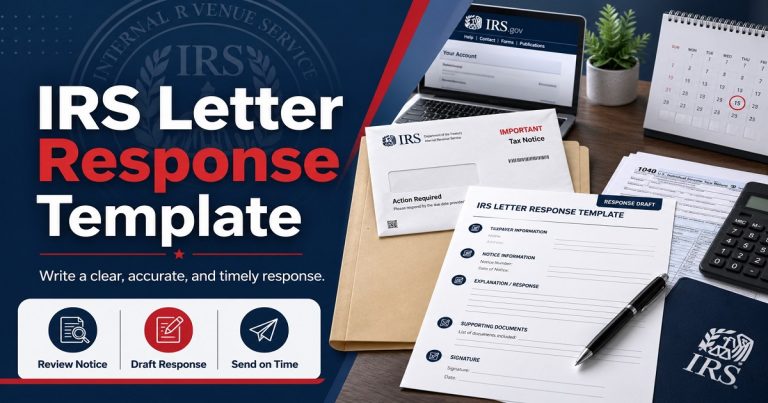
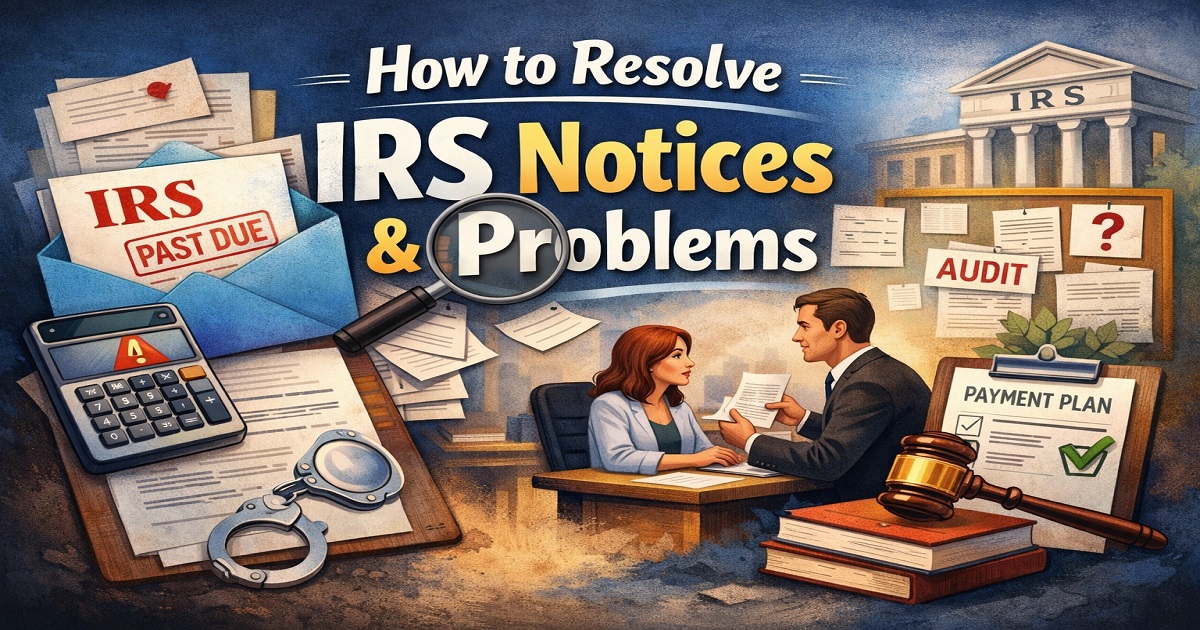
It is a guide to your IRS notice response guide, CP2000 and CP14, to the extent you would like to know how to resolve IRS notices and problems, how to respond to IRS letters notices audits and penalties, how to dispute IRS notice, and how to correct IRS notice problems. The first step is to determine the notice number, year of the tax and read the letter thoroughly since the IRS says every notice states the matter, course of action required and the deadline.
The second step is to compare the IRS claim to your records and your return, collect supporting materials and respond in accordance with the notice. Next is the correct course of action: accept and payment, appeal the matter, demand a review or appeal where applicable or seek a payment plan. The IRS repeatedly stresses the need to reply on time in order to minimize delays, interest and penalties added, and to retain a right of appeal.
When to Agree, Dispute, Appeal, or Request Relief
In case you do, take the payment or correction instructions. In case you disagree with an IRS notice, have a dispute with notice findings, or are required to obtain an IRS notice, the IRS states that you should obey the instructions on the notice, attach supporting documents, and provide a response by the deadline to preserve the rights to an appeal. When the notice provides review by Appeals, such is normally where formal appeal procedures commence.
When to Use an IRS Online Account
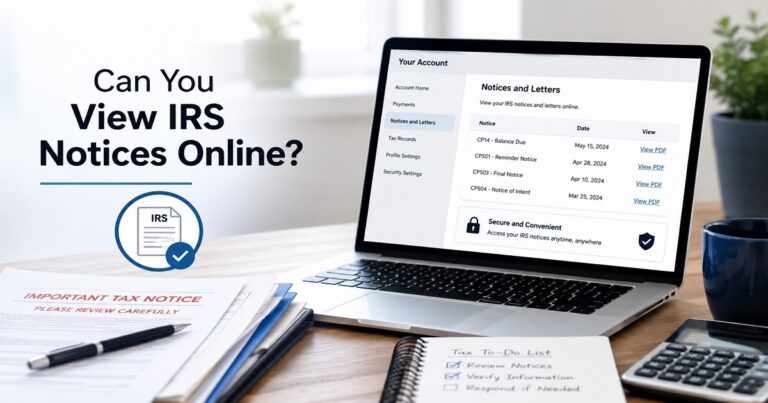
Your online IRS account can be helpful in most cases to handle an IRS online account notice issue. According to the IRS you can check balances by year, find out the details of a payment plan, get access to digital copies of most of your notices in the Notices and Letters section, and to see the amount due, have the notice downloaded, and change communication preferences as you want.
Final Takeaway – IRS Notice Help for CP2000, CP14, Audits, Penalties and Tax Resolution
Ultimately, IRS Notices & Problems will be easiest to deal with when responded to promptly, with careful consideration and the correct records. From Freelancer Taxes in USA to Small Business Taxes in USA, and even just for those who need a simple Tax Planning & Deductions, it is about the same thing: avoiding being disorganized, missing deadlines, and making mistakes that could escalate into larger tax issues.
Clear paper trail, accurate filing, and timely communication results in saving of money, stress and penalties. Challenge a notice if it is incorrect, with evidence. If you can’t afford to pay all, consider a repayment plan or penalty relief alternative. It’s always best to know exactly what the IRS notice is about and select the appropriate solution.
FAQs
1. What is IRS notice CP2000?
A CP2000 notice is a change notice proposal that is mailed by the IRS when third-party data, including W-2 data or 1099 forms, do not match your tax filing. It is neither an audit nor a bill.
2. What is IRS notice CP14?
The initial IRS notice of balance due is the CP14 notice. It gives you the amount of debt you owed, the time of payment and how to pay or have a payment plan in case you are unable to pay the whole debt.
3. How do I respond to IRS CP2000?
Check the changes suggested, match them with your return and support records and submit them by the end of the deadline. Pay or make corrections, as you please. In case you disagree, provide documentation showing reasons why the suggested changes are wrong.
4. How do I respond to IRS CP14?
Read the notice carefully.
“>5. Is CP2000 an audit or a bill?
No. According to IRS, a CP2000 is neither an audit nor a bill. It merely suggests revisions to your turnaround grounded on information misalignments.
6. What happens if you ignore IRS notice letters?
A notice will be ignored which may result in the matter being a balance-due notice and then the notices of collection. A levy may be a final goal of the IRS collection process and a CP504 notice may threaten to levy wages, bank accounts, or a state refund.
7. Can IRS penalties be removed?
Sometimes, yes. Relief on penalty can be granted on reasonable cause or administrative relief such as first time relief on some cases.
8. What if I cannot pay a CP14 notice or other IRS balance due notice?
The IRS provides installment agreements and payment plans to eligible taxpayers. Penalties and interest can be continued until the balance is paid off, even with a plan, so a plan normally saves more money by making the payment early in the process.