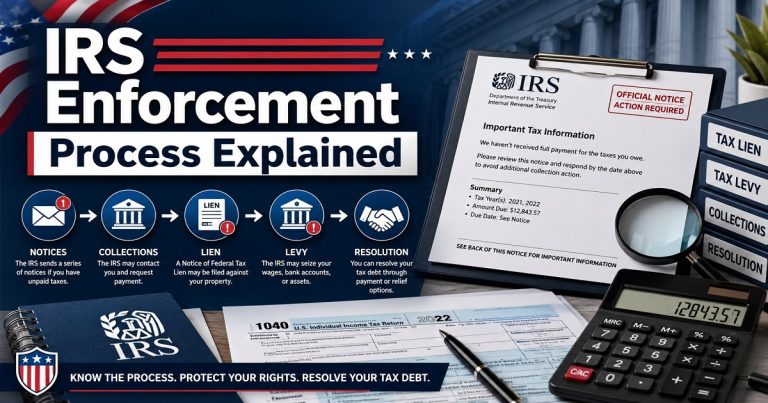
IRS Sent Me a Letter I Don’t Understand: Full IRS Notice Explanation, Reasons & Step-by-Step Response Guide
As outlined by Advocate Shahid (Tax Policy and Advisory Specialist). It’s not a panic situation, but it’s not a “Don’t worry, don’t worry” situation. In the top right corner of the letter there is a notice number (such as CP2000 or CP14) that tells you what the problem is, in this case, a balance due, a change of refunds or information. Answer promptly (typically by telephone or documentation as set forth in the contact).
Immediate Measures Should be Taken
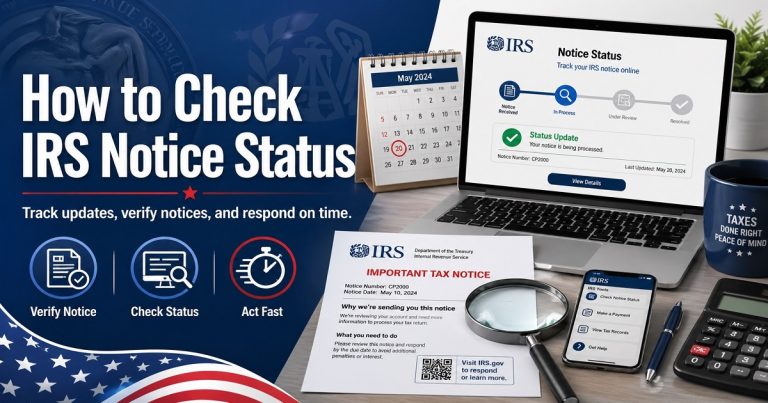
Find the codes such as CP14 (balance due), CP2000 (unreported income), LT11 (intent to levy), etc. Look for details on IRS.gov about these codes.
Verify Legitimacy
The IRS contacts individuals by mail; it does not contact by email, text or social media. When in doubt, visit IRS.gov to verify.
Compare Information
Check the claims in the letter against a copy of the tax return in question.
Even if you disagree, always respond by the Deadline in order to keep your appeal rights.
Call the IRS
The number listed in the top right corner of the notice is the number to call, not a number found in a suspicious email or voicemail.
Keep Record: Save the letter and any reply that you send for your records.
Introduction
Many taxpayers are concerned with IRS sending them a letter that they don’t understand – what should they do? Official correspondence can be stressful and if it is in a technical language that is not the recipient’s native tongue, it can be even more so.
Simply put, an IRS notice means is anything the IRS sends you to alert you to your tax return, account changes or required actions. The purpose of an IRS communication letter can vary widely from information and request for information to reminders to pay or corrections.
👉 Personal Insight
IRS mail notices sent with explanations that are not understood: Most of the time the IRS is sending an informational letter and not determining an audit or other serious action.
IRS Letter Explanation – What Does an IRS Notice Mean?
The IRS letter explanation is one that is sent to inform you about your tax account. The IRS notice meaning varies, but most of the time, IRS notices are simply routine and are intended to ensure that your records are accurate.
Understanding IRS Letters
Generally, the IRS will contact you about:
- Repeat: Seek additional information or documents
- If there is an amount due, let you know what it is.
- Verification: Verification of identity and income information
Important Insight
There are times when the IRS sends letters that are not a cause for worry. Most of them are informational or involve minimal action to sort out minor problems.
👉 Example
The IRS sent a letter to a taxpayer regarding tax return problems because the income on a 1099 was not reported. All necessary paperwork was provided and the issue was rectified promptly and without any penalties.
Takeaway
IRS notice details explained will assist you in reacting sensibly and taking proper actions rather than panicking and taking wrong actions.
Why Did IRS Send Me a Letter? (Top Reasons)
In fact, if you’re wondering why IRS sent me a letter, the answer is typically quite straightforward. The IRS issues notices to clarify, correct or confirm data; not necessarily for a serious problem.
Common Reasons You Receive an IRS Letter
1. Errors on Tax Return
If there are errors in calculating, some income is missing, or there are incorrect data on your return, an IRS letter may be sent due to this.
2. Identity Verification
The IRS will ask for verification if something is unusual, to avoid fraud. This is a security measure and NOT a punishment.
3. Payment Issues
A notice may be sent to you if a balance is due, if you are missing payments or if you have been refunded previously.
Revisit/Audit Triggers – Review them again or audit them.
An IRS notice for review and/or audit does not necessarily imply a full audit. Sometimes it’s merely a request for more information, or confirmation of the information in documents.
IRS Tip
The majority of IRS notices are routine and can be addressed. Carefully reading through the letter and answering in time is the best method to avoid further complications.
Types of IRS Notices & Letters Explained
It’s important to get to know the types of notices the Internal Revenue Service can send you and how to react to them.
IRS Notice Codes and Letters
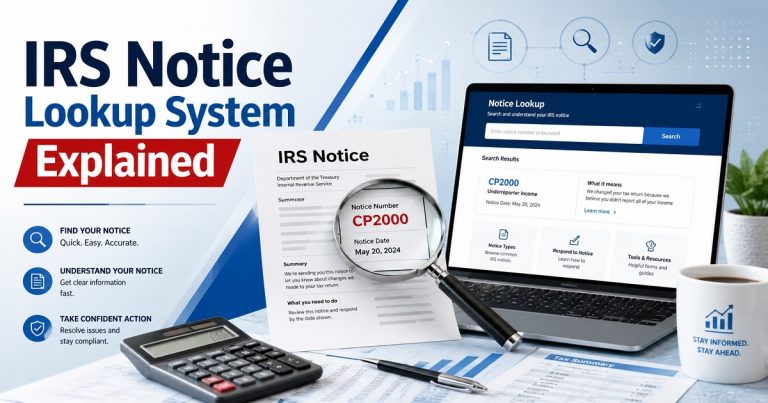
Codes (such as CP2000) are used by the IRS to indicate specific issues. The IRS CP Notice explanation can assist you to understand what you need to do.
IRS Tax Notice Breakdown (Common Types)
The IRS CP2000 Notice Explained Simply is an excellent resource for understanding the IRS CP2000 notice.
Issued if the income reported on your return doesn’t match that reported by third parties (W-2 or 1099. This is not an audit, this is a suggested change.
This letter can be used to provide an explanation for an IRS audit.
Asks for any missing documents or checks items when returning. It doesn’t necessarily have to be a full audit.
IRS Collection Notice
Given when someone is due to pay taxes but has not done so. It outlines your balance and payment options.
IRS Refund Adjustment Notice
Sent by the IRS if they made a mistake or corrected a refund because of submission of an incorrect return.
👉 Real-Life Case
The mismatch of income on a 1099 prompted a CP2000 notice to be sent to a taxpayer. They reviewed the notice, provided corrected information and were able to avoid penalties and resolve the issue in a timely fashion.
Key Tip
Carefully read the notice code, it will provide you with all information related to the problem and how to fix it.
Financial IRS Notices You May Receive
Internal Revenue Service (IRS) financial notices are linked to income you owe or changes to your IRS account. If you understand them, then you can take appropriate action in the most timely fashion and do not incur extra costs.
IRS Tax Notice Balance Due / IRS Payment Request Letter
These are the ones that tell you that you have to pay your taxes. The amount and time for the repayment will be stated in the letter. Paying late will add more to your balance.
IRS Penalty Notice Explanation
Sent at the time penalties are charged for late filing or late payment. These charges can mount up over time unless addressed.
IRS Underpayment Notice
Given if you have not paid enough taxes for the year (typical of freelancers). This can be further sanctions.
A letter from the IRS notifying you that you owe taxes is referred to as an IRS Tax Debt Letter or IRS Notice for Unpaid Taxes.
IRS Tax Debt Letter / IRS Notice for Unpaid Taxes
Notice of interest and penalties. Notice of interest & penalties from IRS.
IRS Interest and Penalty Notice
Describes the interest being charged each day that you don’t pay your balance, resulting in more money that you will owe.
IRS Billing Notice Explanation
A statement of your current balance, including taxes, penalties and interest.
👉 Financial Impact (Simple)
Failure to pay these notices can result in fast increasing debt with the inclusion of penalties and interest. It is better to act early and save money and avoid major impacts.
IRS Notice Deadlines & Response Time
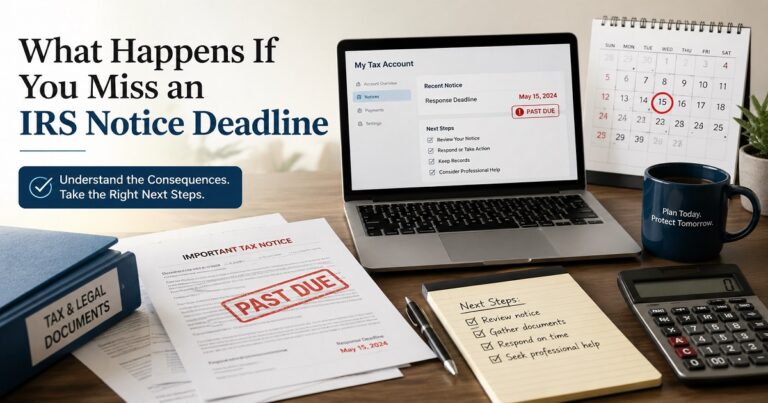
It’s important to know (and respect) the Internal Revenue Service’s (IRS) deadlines or you can face penalties, interest or the case will escalate.
IRS Notice Deadline Response
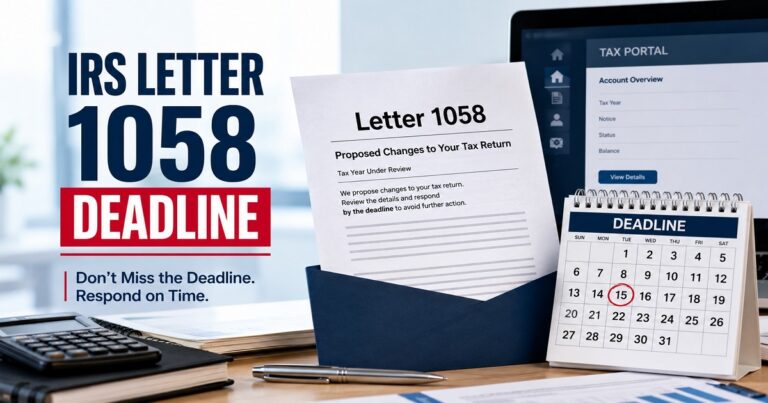
All IRS letters will contain a response date usually 20-30 days. Be sure to read your notice for the specific date.
How Long to Respond to IRS Letter
The majority of notices have a time limit for action. Automatic adjustments or extra charges may apply if there are delayed responses.
IRS Response Timeline
Simple notice: 2 – 4 weeks to resolve time.
Document requests: depending on the time to response
Disputes or reviews: May take several weeks/months
IRS Notice Delivery Time
Letters should arrive with the IRS within 5-10 days of issue, depending on the postal service.
IRS Letter Processing Time
The IRS will then take 2 to 8 weeks (or longer) to consider your answer.
IRS Follow-Up Letter Timeline
The IRS will issue further notices or escalate the issue if there is no response.
IRS Notice Urgency Levels
- Informational: Action not required at this time
- Action Required: To respond by deadline.
- Please note: Urgent/Collection Notices indicate that prompt action is required; please collect these documents as soon as possible.
- Always respond in timely manner – even if more time is required to gather documents, otherwise penalties, interest or enforcement action may apply.
Common Problems People Face
When you receive a letter from the Internal Revenue Service, it can be hard to determine what it means – especially when you don’t. Taxpayers most often have these issues:
IRS Letter I Don’t Understand – What to Do
There are lots of people who have difficulties understanding technical jargon. The first rule of reading a notice code and notice code summary is to read it carefully.
IRS Notice Confusion
There are many types of notices and codes that can lead to confusion regarding what should be done – or what actions, if any, should be taken.
IRS Unexpected Letter
No matter how many letters it is, even an informational update or minor correction, it can send anyone into panic mode.
IRS Letter Without Explanation
Some notices may not be clear or provide any detail — you won’t know exactly what the problem is until you read your tax return.
IRS Letter About Unknown Issue
This is typically due to mismatched income, missing forms or discrepancies on accounts.
IRS Notice Stress and Confusion
Confusion surrounding penalties, audits, and/or legal implications can add to anxiety.
IRS Letter Mistake or Error
Sometimes notices contain inaccurate data that results from reporting inaccuracy or data processing mistakes.
IRS Sent Wrong Notice
For the very few taxpayers who are receiving notices that are not applicable to their situation, clarification and/or dispute is required.
Practical Tip
Don’t ignore the letter. If it is not easy to understand, take time to look it over, compare with your records, and respond or get clarification to prevent greater problems.
Real-Life Case Studies
Through real experiences with the Internal Revenue Service, you will know the importance of being timely and correct.
Case Study 1
A taxpayer disregarded an IRS notice, assuming that it wasn’t an emergency. As a result, penalties and interest increased due to late response. When they did, it was quite a bit more than the principal.
Case Study 2
Another taxpayer received an IRS letter that was different from what he/she had in their records. A phone call to the IRS and documentation was sent and it was determined that the notice was sent by mistake and there was no monetary loss.
Case Study 3
An audit letter was sent to a taxpayer with a call for further documentation. Instead of a panic, they turned in the necessary documents in a timely fashion. The IRS looked at them, took their word for it, and didn’t impose any penalties.
👉 Key Lesson
A proactive response and correct documentation can stop small problems from becoming large problems.
Real IRS Rules & Legal Insights
Knowing the ins and outs of the IRS can help you deal with notices with a sense of confidence and a lack of stress.
IRS Authority to Send Notices Before Action
To comply with the law, the IRS must contact you prior to taking certain actions (such as correcting your return and starting collection). These notices are provided to allow you to review, address or correct problems.
Legal Requirement to Respond to IRS Letters
Not all letters require action, but many letters do have a deadline for a response. Failure to respond to notices may result in penalties, interest or changes to your tax account.
Taxpayer Rights During IRS Notice Verification Process
You can challenge, confirm and contest IRS claims. This involves furnishing documents, seeking clarifications and appealing decisions when they are not agreeable.
The IRS can enforce tax laws, but they must also inform, hear and treat you fairly along the way.
Step-by-Step Solution – What to Do After Receiving IRS Letter
If you get a letter from the Internal Revenue Service, follow this step-by-step process to clear up the notice quickly and accurately:
Step 1: Read Carefully
Read IRS notice step by step: look at the notice number, the summary of the notice and the response date. Don’t skip details.
Step 2: Identify Notice Type
Find the code (such as CP2000) to learn about the problem. An IRS CP notice explanation is your explanation of what IRS wants.
Step 3: Verify Information
Compare the IRS notice with your tax return, income records and documents using the IRS notice verification process.
Step 4: Take Action
Complete the steps to respond to IRS notice—provide documents, make payments if necessary, or confirm corrections. This is the answer to what to do when you get IRS letter.
Step 5: Respond Properly
Know what to do if you receive an IRS notice – Make sure you respond by the deadline, provide all necessary information and make copies of the letter.
Step 6: Contact IRS if Needed
Seek clarification from IRS about letter if not already clear. IRS customer service will be able to give guidance and clarification.
Step 7: Dispute if Incorrect
If it is incorrect, follow the IRS dispute process and offer evidence to correct.
👉 Pro Tip
The best way to avoid penalties and smooth out IRS issues is to be proactive and correct.
How to Fix IRS Notice Issues Quickly
It’s not hard to deal with a letter from the Internal Revenue Service. To avoid penalties and solve IRS problems quickly, follow the directions in its letter response.
1. Respond Early
Timing is the most crucial rule of resolving IRS notice problems. Respond to the deadline stated in the letter, otherwise extra charges will be incurred or it will escalate.
2. Provide Complete Documents
Provide all forms, income or proof documents. In some cases, missing information can cause the resolution to be delayed or an incorrect adjustment.
3. Keep Proper Records
Keep a copy of your IRS notice, your response and your supporting documents. This is helpful in case of follow up questions or arguments after.
👉 Quick Insight
Action quicker + accurate documentation = quicker resolution. The IRS notice problems you may face can be quickly dealt with, provided that you reply correctly and in time.
Common Mistakes to Avoid
To keep the stress to a minimum and avoid penalties for the Internal Revenue Service (IRS), avoid these common mistakes:
Ignoring IRS Letter
Many taxpayers just wait and hope that it’s not serious. Failure to pay the notice may result in fines, penalties and interest or further enforcement.
Missing Response Deadline
All IRS notices have a due date.
Not Understanding IRS Notice Details Explained
Carefully read the problem, the notice code and instructions.
Sending Incomplete Response
Failing to submit partial documents or missing information may delay resolution, and lead to additional notices.
Panicking Without Verification
When you’re emotional and make hasty decisions without reviewing your records, it can cause confusion. Before acting, always check information.
Personal Experience Insight
In my years of experience, the most common IRS letter confusion is due to the taxpayer not knowing what the Internal Revenue Service’s notice codes are. These codes (such as CP notices) are not technical, just a reference to a problem. Reviewing the IRS tax notice breakdown, we knew it was only a mis-match due to the amount of income reported.
👉 Key Insight
For most of the issues on IRS notices, you can decipher the notice type and peruse the specifics and most problems will become clear—and easy to fix.
FAQs Section
Why did IRS send me a letter?
Typically for errors, identity verification, payment or any other additional information from the Internal Revenue Service itself.
What happens if I ignore IRS letter?
Failure to pay a notice may result in mounting penalties and/or interest, or additional collection or account adjustments.
How do I understand IRS notice?
Carefully read it, and follow the instructions step-by-step to know which notice code it is (e.g., CP notices) and what instructions are given.
Can IRS letter be wrong?
Yes, it is possible that there will be errors, caused by a mismatch of records, or processing. Please check with tax return and documents at all times.
Do I need to respond to every IRS letter?
Always ensure that you read the instructions and deadline, provided in the notice.
How to contact IRS about notice?
Contact IRS using official IRS contact numbers, use online account, or instructions given in the notice.
IRS sent me a letter I don’t understand—what should I do?
The first step is to carefully read the Internal Revenue Service’s notice. Look at the notice number, notice summary and notice deadline. Next, review it in comparison to your tax return and consolidate all of the necessary paperwork before you respond.
Common IRS letters and what they mean
The vast majority of IRS letters are informational, such as a request for verification, a balance due notice or a refund adjustment. A few are related to audits or serious actions.
IRS audit letter—what to do next?
Don’t panic. Examine the objects under scrutiny, gather evidence to back up their argument and reply within a set time. Many times, audits are based on a particular issue, and not your full return.
How to respond to IRS letter without mistakes
Do all tasks as directed, bring all necessary papers, on time, and keep copies of all correspondence. When in doubt, please consult the IRS or get professional advice.
Conclusion
It’s all about remaining calm, knowing the notice and doing the right thing on time. Taking the time to read the letter carefully, double-check the details and answer correctly will help you to solve problems promptly and prevent unnecessary penalties and complications.
👉 Call to Action
Don’t ignore the IRS letters – read them now, take steps now – and stay in control of your tax situation before little items become big.