Internal Revenue Service (IRS): Guide to Tax Filing, Refunds, Audits, and Taxpayer Rights
As stated by Advocate Shahid (Tax Law and Advisory Specialist). The Internal Revenue Service (IRS) is an agency of the United States Department of the Treasury, and the official tax collection agency of the United States. It is the main federal revenue collection agency of the country and its responsibility is to administer and enforce the federal tax code.
The IRS, as a major tax collection agency, is involved in the processing of tax returns, collection of federal taxes, refunding of tax and monitoring of tax laws. It also offers instructions to individual, business and organizations on how to fulfill their tax requirements. The IRS is an essential part of financing the government activities and ensuring the tax system integrity in the U.S. by implementing the Internal Revenue Code.
What Does the IRS Do?
Collecting Federal Income Tax
The Internal Revenue Service (IRS) has the role of collection of the federal income tax on behalf of individuals and businesses. It calculates both the deductions and credits, then calculates the tax liability of each taxpayer by calculating their taxable income. The IRS makes sure that the tax laws are followed in that all qualified taxpayers pay equally by the U.S. system.
Processing Federal Tax Returns
The IRS deals with the filing of federal tax returns by means of income tax filings. The most common form used by taxpayers is Form 1040 and other forms by the IRS. The current systems have been facilitating electronic filing whereby people can file taxes electronically and safely, a fact that enhances speed in processing and errors are minimized.
Issuing Tax Refunds
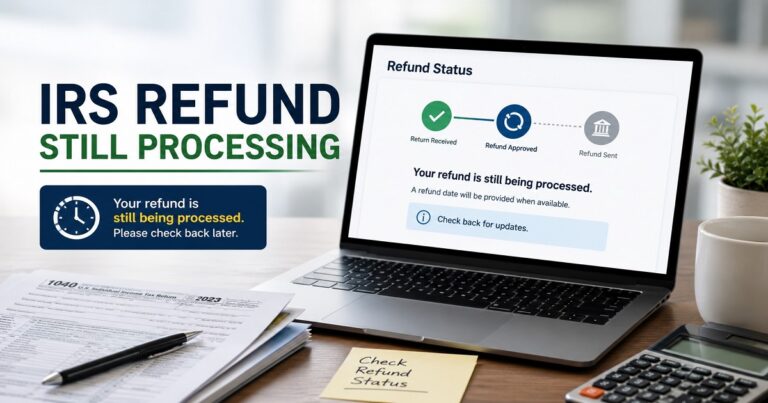
The IRS also provides a tax refund after considering returns and that there are overpayments. E-filed returns have quicker processing of refunds, and taxpayers may follow-up using Where’s My Refund? According to the IRS, the refunds are typically made within 24 hours following the e-filing of a current year return.
How to File Taxes With the IRS Step by Step
Step 1: Gather IRS Tax Records
Beginning with a compilation of all necessary tax files of the IRS such as W-2 form and 1099 form. You will also require your taxpayer identification number, previous year information and adjusted gross earnings to make sure that you file correctly.
Step 2: Choose Standard Deduction or Itemized Deductions
Choose either between the itemized deductions or the standard deduction to lower taxable income. Compare tax credit and tax deductions you are eligible to to the maximum savings and a minimum tax bill.
Step 3: Complete Form 1040
Complete Form 1040, the main form of filling out a personal income tax. It sums up the income, deductions, credits and calculates your final tax or refund.
Step 4: File Electronically or by Mail
File your return electronically to file your taxes more quickly and safely, or use the post to file your return on paper.
Step 5: Pay Tax or Track Refund
You can pay any tax with your IRS account, or check the status of your IRS refund with Where’s My Refund? to keep up to date.
Real-Life Example: How a Taxpayer Uses the IRS Online Account
A freelance designer will get several 1099 forms issued by his/her clients and will compute the self-employment tax using the gross income. They check the previous estimated tax payments in order to avoid paying less than the required amount as penalties and prepare and file a federal tax return with the help of Form 1040.
Within the IRS Online Account, the taxpayer manages all that once it is filed. They verify the tax records, verify payments and follow up on refunds using Where My Refund.
The internal revenue service provides that transcripts (past returns, tax account information, wage and income statements, and verification of non-filing letters) can be accessed online or by mail by the taxpayers.
IRS Services Every Taxpayer Should Know
IRS Online Account
With the IRS Online Account, you can easily access balances, payment history, tax records and updates on refunds. It is an online major point of contact of your federal tax data whenever you want.
IRS Payment Plan
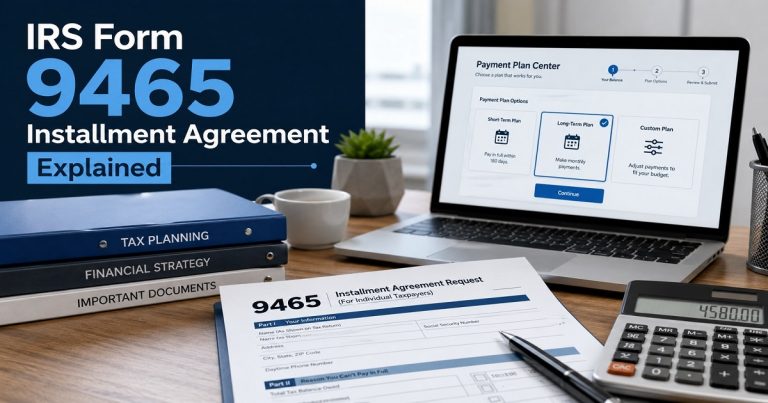
To help the taxpayers who are unable to pay the entire amount, the Internal Revenue Service provides them with payment plans and installment agreements. These alternatives aid in the distribution of tax payments over time and prevent more drastic measures of collection.
IRS Tax Transcript
IRS tax transcript gives an overview of your tax return information, income and account activity. It is usually necessitated when taking loans, financial aid or checking income.
IRS Taxpayer Assistance
Taxpayer Assistance Centers help taxpayers receive face-to-face assistance in verifying their identities, paying taxes, and general tax advice.
IRS Notices
The Internal Revenue Service (IRS) issues official letters to inform the taxpayers about the balance due, audit, or change of accounts. Prior awareness of such notices is useful towards fines or legal problems.
EIN Application for Businesses
The IRS offers businesses the opportunity to apply to get an Employer Identification Number (EIN). This special number is necessary in the filing of taxes, hiring of employees as well as the opening of business bank accounts.
IRS for Businesses and Employers
Employer Identification Number (EIN)
Employer identification number (EIN) is a number that is given to businesses by the internal revenue service. It is needed to complete business taxes, take employees and open business bank accounts. The process of EIN application is very simple and can be done online via the IRS.
Payroll Taxes and Tax Withholding
Employers have to deal with payroll taxes, comprising of the Social Security, Medicare payments as well as tax withholding on employee salaries. These are reported yearly in the form of W-2 and the employees and the IRS are provided with the correct information on income and tax.
Self-Employment Tax and Estimated Tax Payments
Self-employed people have to pay self-employment tax, which includes the payment of Social Security and Medicare. Income not subjected to withholding like freelance earnings, interests, and dividends, rents, and other related sources are required as estimated tax payments by the IRS. Quarterly payments will aid in preventing fines and maintaining tax payments.
IRS Audits, Notices, and Tax Compliance
Tax compliance refers to the reporting of the income accurately, taking of valid deductions and paying of taxes on time according to the federal law. Internal Revenue Service checks the compliance by reviewing it and in certain cases, an IRS audit- a thorough examination of financial records to ascertain the rightness.
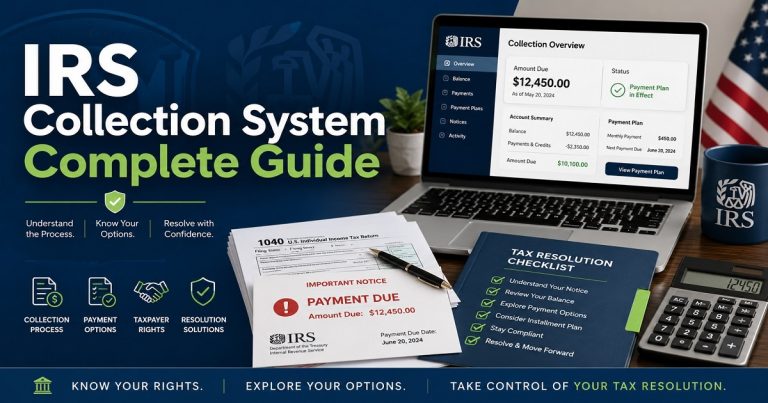
In case of problems, the IRS issues IRS notices on how it will adjust, payment balances or demand additional information. Non-compliance with them may result in tax fines, interest payments and other more effective measures to enforce the tax like liens or levies.
There remain protections to the taxpayers. Under IRS Publication 1, the taxpayer rights are notified to people, which include the right to be informed, right to challenge the IRS position and right to appeal the decision. Examination, appeal, collection and refund procedures are also described in this publication to enable taxpayers know how to respond and react with confidence to it.
Common IRS Problems and Step-by-Step Solutions
Problem 1: You Owe Back Taxes
In case you have back taxes, then begin by checking your IRS tax transcript to make sure you know the balance. Calculate the checks and make previous payments and then apply to an IRS payment plan via the Internal Revenue Service. Above all, you should not disregard IRS notices because the longer it is delayed, the higher the penalties and interest.
Problem 2: You Have Unpaid Taxes
In the case of unpaid taxes the most appropriate solution would be to pay at full value provided they can. Otherwise, installment agreements should be established or the assistance of IRS taxpayer help programs should be sought to help you in dealing with your obligations and keep off any action against you.
Problem 3: You Receive a Tax Lien
Tax lien- A tax lien is an assertion over your property when the taxes are not paid. It can influence credit and put property such as your home or your business at risk until there is a settlement of the debt.
Problem 4: You Face a Tax Levy
The IRS is permitted to confiscate any wages, bank accounts or property by imposing a tax levy.
Problem 5: Your Refund Is Delayed
Where’s My Refund? is a service that can be utilized to verify the status of your tax refund (in case of a delayed one). Check the accuracy of returns and be alert to IRS notices which may ask them to provide further information.
Real Case Laws to Include
Commissioner v. Glenshaw Glass Co.
In Commissioner v. Glenshaw Glass Co., the Supreme Court gave a broad definition of taxable income that punitive damages should be considered as a part of gross income. The Court affirmed the deficiency decision of the Commissioner, and determined that an undeniable accessions to wealth, though not traditionally received, would be considered income.
United States v. Craft
The ruling of the United States v. Craft case made clear that the property rights of a taxpayer, including shared property or partial property rights can be disposed of as a federal tax liability under 26 U.S.C. 6321 and gave the IRS more jurisdiction over jointly owned property.
United States v. National Bank of Commerce
In United States, v. National Bank of Commerce, the Court ruled that an IRS tax levy could be imposed on money in a joint bank account and accordingly the government could collect any unpaid taxes even in cases where there was a joint bank account.
Commissioner v. Tellier
The decision in Commissioner v. Tellier reaffirmed that some legal costs can constitute deductible business expenses provided they are ordinary and necessary as per the Internal Revenue Code and upheld the ideals of legitimate business deductions.
Mistakes to Avoid When Dealing With the IRS
The internal revenue service is delicate and should be addressed properly and in good time. Some of the pitfalls to be avoided as far as fines and the law are concerned are the following:
- Ignoring IRS notices: The tax penalties and enforcement can be enhanced in case people do not pay attention to official letters.
- Failure to meet the tax filing deadline: Failure to do so can incur fines and interest.
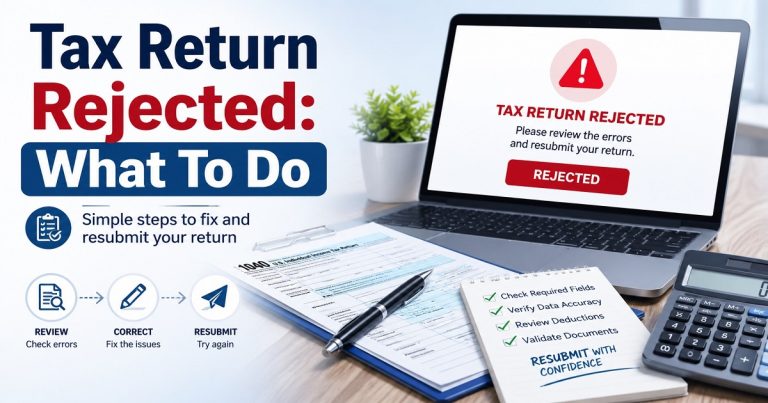
- Recording the incorrect taxpayer identification number: Incorrectly recording your TIN may slow down the process or result in the rejection.
- Losing 1099 forms: The problem of missing income reported on 1099 form can result in under reporting.
- Asserting weak tax deductions: Questionable or inaccurate tax deductions can lead to higher audit risk.
- Combining personal and business income: This can be confusing and problematic to comply.
- Failure to pay estimated tax payments: It may lead to penalties as a result of not paying quarterly taxes.
Personal Experience Angle to Add
In my observation of the cases of taxpayers, the greatest error is not the tax debt. The actual issue normally begins when the taxpayers fail to respond to the notices issued by the Internal Revenue Service, pay taxes late or file without carefully considering their records in the Internal Revenue Service (IRS) tax files. I have witnessed instances when minor mistakes ended up causing big issues just because of not taking any action.
An IRS Online Account review can be a huge difference in a variety of circumstances. It aids in balancing verification, monitoring of refunds and identifying discrepancies early. This simple step will help avoid delays in refunds, penalties, and will help avoid undue stress on the audit.
FAQs
1. What is the Internal Revenue Service (IRS)?
The federal tax administration, tax collection, issuance of tax refunds and enforcement of the internal revenue code is the U.S. federal tax agency known as the Internal Revenue Service.
2. Is the IRS part of the U.S. Department of the Treasury?
Yes, IRS is under the Department of the Treasury of the US.
3. How do I check my IRS refund status?
Where’s My Refund? on IRS.gov will allow you to check your IRS refund status.
4. What is Form 1040 used for?
Form 1040 is the principal IRS form that people utilize to submit an income tax return with the federal government.
5. What is an IRS payment plan?
An IRS payment plan enables taxpayers who are in a position to pay their tax over a period of time, rather than paying off the entire amount at once.
6. What happens if I ignore IRS notices?
Avoidance of tax notices may result in tax penalties, additional taxes, tax lien, tax levies and increased action by the IRS.
7. What is an IRS tax transcript?
IRS tax transcript is a document that contains your tax return, income, account activity or filing history.
8. What is an EIN application?
To get a business taxes, payroll reporting, banking, and employer tax, an EIN application is made to get an Employer Identification Number.
9. How does IRS know if you are married?
Primarily, the IRS determines whether you are married by the filing status you indicate on your tax return. As you file, you will list if you are Single, Married Filing Jointly, Married Filing Separately, Head of Household, or Qualifying Widow(er).
Additionally
Social Security Administration (SSA) records – IRS records can be matched with SSA records, which contain details of name changes, spousal information and SSN updates.
Employer reporting – W-2s will report your income and marital status through withholding allowances.
Tax returns – the IRS has a record of the tax returns you filed previously, whether jointly or separately.
Inaccurate disclosure of marital status may lead to audits, penalties or adjustments of taxable income.