I Missed Tax Deadline: What Happens & How to Fix It – Real IRS Solutions & Case Studies
No one wants to miss a deadline, especially when it comes to a tax deadline – whether it’s the federal tax return deadline, the state tax return deadline or the IRS e-file deadline. Taxpayers may feel anxious about having to comply with regulations and wondering about the finances due to penalties, interest, or delayed refunds that may result from a short delay.
For example, New York guy, John, hasn’t filed his IRS tax returns for two weeks. He didn’t get his federal refund and was penalized for not filing. John has been able to get some of his penalties abated due to his timely return of the late notice and his arrangement of a payment plan, rather than more severe penalties.
What Happens If You Miss the Tax Deadline?
IRS Failure-to-File Penalty
According to Advocate Shahid (Tax Research and Advisory Specialist). The failure to file penalty amount for missed tax filing is 5% per month on the unpaid taxes with a maximum of 25% of the taxes that are not paid in time. This penalty will be imposed starting the day that these materials are due back until they are returned.
penalty applies to a first-time filer who did not submit a 2023 tax return on time for the filing period, and received a $200 penalty for the failure to submit the tax return on time.
IRS Failure-to-Pay Penalty
In addition to penalties for filing, the IRS has a failure to pay penalty of 0.5% per month, which is compounded with the interest payments on unpaid taxes.
Tip: If you are filing late, you can take one of the two steps of paying a partial payment to lessen the failure-to-pay penalty and interest charges.
Interest on Unpaid Taxes
Any unpaid taxes are subject to interest and the interest will accrue each day from the due date until the tax is paid.
Suppose that a taxpayer chooses to pay one-third of a $1,000 debt 30 days late, about $15 in interest could be due on the debt.
Knowing how these penalties and interest will be applied reinforces the need to file and pay taxes as soon as possible – even if they are late.
Common Reasons People Miss the IRS Tax Deadline
There are several reasons why taxpayers might not file their tax returns on time with the IRS:
- Procrastination and forgetfulness: This can be a cause due to paperwork.
- Mismatched Social Security Numbers: can be a reason for unsuccessful e-filing.
- Bank account information errors are slowing e-file: Errors in bank account information will cause direct deposit to not be accepted and will delay e-file.
- State vs federal deadlines: Late filing due to not recognising the due date state vs federal.
- Multiple forms: More than one form (1040, 1099s and W-2s) can cause delays in filing on time.
- For not filing by the extended date (even if you have an extension) (Form 4868): Penalties are imposed when you do not file by the extended date.
Knowing these reasons can benefit taxpayers by helping them to make well-informed decisions, avoid deadlines, and minimize the potential for penalties and for delays in getting their tax refunds.
Step-by-Step Guide: What To Do After Missing the Tax Deadline
Step 1: Confirm What You Owe or Refund Status
Check your IRS Online Account or state tax website to check the amount of current tax. Determine if any penalties and interest is due since the due date.
Step 2: File Your Late Return ASAP
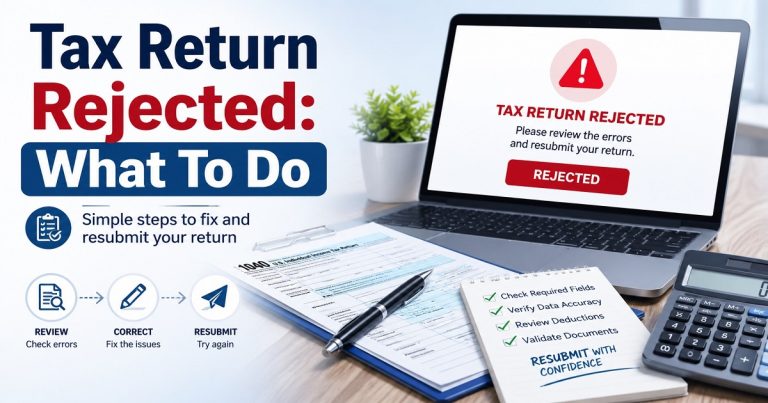
Complete federal and state returns (even if late) online or via postal mail. To make sure that you submit your taxes accurately and on time, use IRS Free File or reputable e-file software.
Step 3: Pay Any Taxes Owed
Failure to pay penalty will be reduced if only a partial payment is made. If a large balance, pay by Internal Revenue Service (IRS) Direct Pay or an installment agreement to prevent further interest and penalties.
Step 4: Request Penalty Relief if Eligible
First time penalty abatement, or hardship relief may be possible.
Sarah of Texas was able to have her late filing penalty for the late filing waived using first-time abatement.
Step 5: Track Your Refund or Payment Status
If you miss the filing deadline, you may not get a refund for your taxes. Use IRS “Where’s My Refund?” to find out about refunds and payments to track the progress.
How to File Taxes Late Online in the USA
Whether you’ve filed late, you can still file with the IRS online, even though the tax filing deadline has passed, in order to reduce penalties and interest charges.
Federal: Log in to IRS Online Account and file late 1040 for that tax year. If it turns out that tax returns were not filed for any prior years, it is important that any back taxes be submitted with the returns.
Late State Returns: Late returns will be filed via your state tax e-portal – California FTB, New York DTF, etc.
The following are tips to help with the smooth late-filing process:
- Don’t file more than one return for the same year.
- Verify SSN / ID information, Bank account information and Direct deposit information.
- Match up all W-2 and 1099 items with official records so that there are no rejections or delays.
Late filing fines are minimized, your taxes are paid and you may recover any refunds that you may be eligible for.
Common Mistakes To Avoid After Missing the Tax Deadline
Here are some of the most common errors to avoid for the sake of avoiding additional penalties and delays:
- Failure to respond to IRS late filing notice: It is important to always check in with the IRS notices that are received on time to know what they have to do.
- Failure to pay partial taxes: Failure to pay some of the taxes that you owe can result in reduced failure-to-pay penalties and interest.
- Using the wrong tax form/tax year: Ensure that you are using the right federal or state tax form, and the tax year that you need to file.
- Rejection due to missing signatures or expired signatures (DSC): If there are missing signatures, or expired digital signatures (DSC), these will also result in further rejection.
- Failure to timely e-file amendments/corrections: It is important to e-file any necessary amendments/corrections in a timely fashion to avoid compound penalties.
- Failure to seek penalty abatement when available: Fines may be reduced if penalty abatement/hardship relief is sought in a timely fashion (the first time it is available).
You’ll save time from tax filing late, save money, and have a better experience with the IRS, avoiding these pitfalls.
Federal vs State Late Tax Filing Rules
There are different tax filing rules at the federal and state levels, so you’ll need to know those as well. Failure-to-file (5% per month up to 25%) and failure-to-pay (0.5% per month), along with daily compounding interest on unpaid taxes are all IRS penalties.
State penalties and interest are separate and can vary widely.
Example: If the IRS is not charging penalties for late filing, New York State may charge a 5% late filing fee plus interest, in addition to any penalties that the federal government may charge.
The federal and state deadlines are very important to be met since penalties, interest costs and possibly triggers for audit can be compounded. To minimize financial losses, please be certain to inquire of the rules of each jurisdiction and to submit federal and state returns on time, even if late.
When to Contact a Tax Professional
Whether you have missed a tax deadline or not, you could save time, avoid mistakes and ride out rough weather by calling in a professional for your tax needs. In these instances, you should think about taking professional assistance:
If you have more than one W-2 or 1099, itemized deductions, and/or self-employment income, a professional will be able to help you with accuracy of your complex return.
Subsequent years back taxes: If multiple years of un-filed returns exist they can be difficult to file and may need special attention in reconciling.
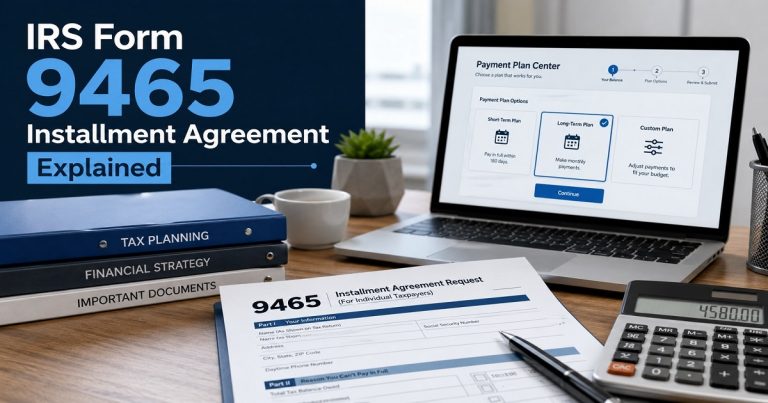
Making a request for penalty abatement or creating installment agreements: A tax professional can help you file for penalty abatement and/or arrange a payment plan with the IRS.
IRS audit notices/IRS audited: tax attorneys can assist in responding to IRS audit notices if an IRS notice is sent or when someone is audited. Tax attorneys can assist in IRS audit notices or with IRS correspondence.
By hiring professional you know you are doing the job right, meeting deadlines, penalties and complicated tax laws, reducing the risk of problems and protecting any refunds and/or limiting any taxes owed.
FAQs Section
Q1: What happens if I miss the tax deadline?
Failure to file by the deadline results in late filing and late payment penalties, interest on unpaid taxes, lost of the right to receive a tax refund and more.
Q2: Will the IRS penalize me for filing taxes late?
Yes, the IRS imposes a penalty for filing late and a penalty for paying late, that is, once a month from the date the return is due and the date of payment is due.
Q3: Can I still file taxes after the deadline?
Absolutely. Late federal and state returns are filed electronically and via paper. Early filing will keep penalties and interest to a minimum.
Q4: What if I missed the IRS tax deadline but I am owed a refund?
If you’re eligible for a refund, file your return as soon as possible! Refunds can only be issued after IRS processing of late tax return.
Q5: What if I missed the tax deadline and owe money?
If you have to pay late, pay as much as you can in order to minimize penalties and interest that can accumulate for late payments. If necessary, you may be able to get an installment agreement.
Q6: How much is the IRS late filing penalty?
5% per month unpaid tax (up to 25% failure to file).
Q7: Can I get IRS penalties waived?
If applicable, you could receive first time penalty abatement or hardship relief which will reduce or waive penalties.
Q8: How do I pay IRS taxes after the deadline?
Pay taxes owed online safely and efficiently with IRS Direct Pay, electronic funds withdrawal or by setting up an installment agreement online.
Conclusion
It can be stressful to miss the tax deadline but it doesn’t mean the issue can’t be fixed. If you have missed the tax filing deadline with the IRS, filed your federal tax return late, forgot to file a state income tax return or have tax debt due to filing a tax return late, the first step is to get off the fence.
Late filing penalties, late payment penalties and interest from the IRS could continue to increase with time. But, if you submit late as soon as possible, pay as much as you can and if necessary, take advantage of one of the following to mitigate the monetary damage: IRS payment plan, installment agreement, first time penalty abatement.
Even if you’re eligible for a refund, you may not feel compelled to pay your taxes, but you might not receive your tax refund as quickly as you’d like if you file late. Even if you are behind on taxes, it’s better to file late than not at all as failure to file the penalty is usually greater than failure to pay.
Just preparing and filing your return, making as much of a payment as possible, responding to any IRS notices for late tax returns, and keeping all forms, payments and correspondence. Talk with a CPA, enrolled agent or qualified tax professional if you have any of the following: back taxes, multiple returns un-filed, income from self-employment or big debts to the IRS.