What is Taxable Income in the USA? | Learn Taxable Income Calculation & Deductions
According to Advocate Shahid (Tax Research and Advisory Specialist). The taxable income in the USA is the amount of gross income which is included in your salaries and wages, bonuses and investment gains that are liable to the federal (and in most cases, state) income tax and allowable deductions are subtracted. It can be determined as Gross Income less adjustments and deductions (standard or itemized).
Taxable Income
Earned Income
Wages, salaries, tips, bonuses and commissions.
Self-Employment/Gig Work
Earnings of freelancing, independent contracting, or small business.
Investment Income
Interest, dividends and capital gains of selling assets.
Other Sources
Rental income, royalties, gambling winnings and certain unemployment compensation.
Ordinary Deductions to Decrease Taxable Income
Standard Deduction
A fixed dollar amount depending on filing status.
Deductions are Listed
Mortgage interest, state, and local taxes (SALT), or charitable gifts.
Adjustments
Contributions to traditional IRAs, 401 (k) plans and interest on student loans.
Commonly Nontaxable Income
Child support payments.
The majority of disability benefits of the veterans.
Worker’s compensation.
Inheritances and gifts (to certain extent).
According to this YouTube video, you can use the Interactive Tax Assistant tool at the IRS site to find out whether your income is taxable or not. To find out how to figure out your taxable income, visit this H&R Block guide.
What is Taxable Income in the USA?
Taxable Income Definition
Taxable income is considered to be your gross income minus the amount of income that is not subject to the federal income tax. It covers wages, salaries, business income, interest and dividends among other sources of income, unless otherwise indicated in law.
Difference Between Gross Income and Taxable Income
This difference between gross income and taxable income is in terms of deductions. Gross income is your total income without any allowance or deduction vs taxable income being what is left after you have deducted any expense that is allowable (e.g. the standard deduction, or itemized deductions).
How Taxable Income is Used to Determine Tax Obligations
The basis of determining your tax liability is taxable income. The more your taxable income, the more you pay in taxes. Your taxable income is subject to tax rates, and the various tax brackets may influence the amount you pay.
How is Taxable Income Calculated?
How to Calculate Taxable Income
The gross income- all the money that you earn- is what you will have to begin with to compute your taxable income. Subtract any deductions (such as interest on student loan or retirement savings) next to get your Adjusted Gross Income (AGI).
Detailed Breakdown of the Calculation Process
Begin with Gross Income
This encompasses wages, business income, rental income, interest, dividends and other sources of income.
Make Adjustments
Your AGI is calculated by subtracting your retirement contributions, student loan interest, or tuition fees.
Claim Deductions
Either the standard deduction or itemized deductions are subtracted off of your AGI. This will leave you with your taxable income.
Adjusted Gross Income (AGI) as a Key Factor
Your AGI is crucial in the calculation process. It establishes the value of income that will be taxed and also defines who will be eligible to receive a particular tax credit or deduction.
Income Tax Calculation Based on Taxable Income
After determining your taxable income, they will then impose the tax rates depending on the tax bracket of your filing status. The amount of taxable income determines the tax rate and this is where your income tax amount is computed.
Explanation of How Taxable Income Affects the Overall Tax Liability
The greater the taxable income the greater the tax liability. Tax rates are higher when there is a greater amount of income, therefore, control of taxable income by deductions and credits can greatly reduce the tax to be paid.
Types of Taxable Income
Wages and Taxable Income
One of the most common sources of taxable income is the wages. They are subject to federal income tax, and are reflected on your W-2. The taxes paid to employers on wages are withheld over the year, and are given credit on your end of year tax bill. The size of your income and filing status determines the amount of taxes to be withheld.
Retirement Income and Taxable Income
The withdrawals out of retirement savings accounts (e.g., 401(k) and IRA), which can be considered as retirement income, are usually taxable. Traditional retirement is subject to taxation as ordinary income when you take money. The tax amount will depend on your total taxable income and Roth IRA distributions will be tax free assuming there are certain requirements.
Real Estate Income and Taxable Income
The real estate dealings can be taxed as rental income and capital gains. Rental income is also subject to tax filings and cost of maintenance of property like mortgage interest, property taxes and repairs are deductible. Profits on the sale of property are also taxable and the rate depends on how long you have had the property and the total income you have to pay tax on.
Self-Employment Taxable Income
With self employed people, their taxable income includes their income earned as freelance, contracts and businesses. Self-employed individuals also pay self-employment taxes which comprise Social Security and Medicare. They can deduct business expenses such as home office expense and equipment purchase so as to decrease their taxable income.
Small Businesses Taxable Income
Small businesses calculate the taxable income by taking away the business expenses of gross revenue. The deduction eligibility to the small businesses includes operating costs, wages, office supplies and equipment. The income to which the tax is paid is subject to the federal income tax and the taxes can vary according to the nature of the business (LLC, sole proprietorship, etc.).
Taxable Income Deductions and Exemptions
Deductions and Taxable Income
Deductions are the expenses that can be deducted against your gross income and reduces your taxable income. They assist in reducing the income taxed. Deductions are of two kinds namely standard deductions and itemized deductions.
Standard Deduction vs Taxable Income
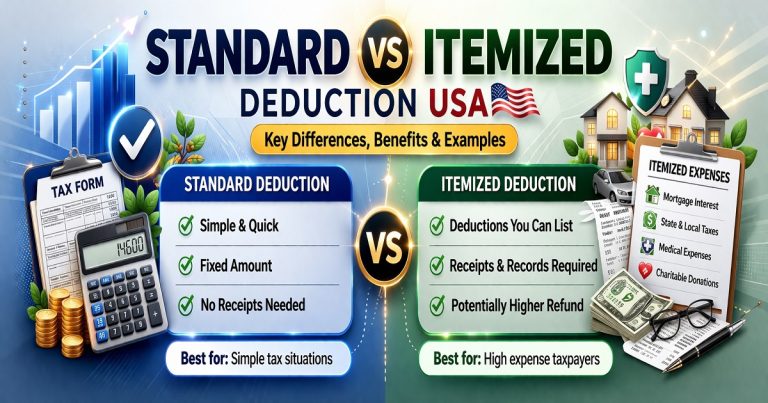
The standard deduction is an amount that can be deducted without having to record the individual expenses. It is an easier choice to most taxpayers. The amount of the standard deduction will be based on your filing status (single, married, head of household, etc.). By claiming the standard deduction, you automatically deduct the standard sum of money off of your taxable income.
Itemized Deductions and Taxable Income
The itemized deductions enable you to show separate expenses, like medical expenses, mortgage interest, state taxes and charitable contributions. It is advantageous to break down when the sum of deductibles that you incur is more than the standard deduction. Through itemizing, you will be able to reduce your taxable income further provided that the deductions exceed the standard amount you are allowed.
Taxable Income Exemptions
Exemptions are certain amounts that one can deduct against his or her taxable income on each individual qualifying like yourself, your spouse, and your dependents. However, despite the abolishment of personal exemptions under the tax law as it is, you can still reduce your taxable income due to other exemptions, such as the dependents exemption.
How Deductions Affect Taxable Income
Deductions give a direct impact on your taxable income which decreases the amount on which your tax liability is computed. The more deductions you claim, the less taxable income you will report on and hence, the less your entire tax bill. Good utilization of deductions will ensure that there is a reduction in taxes to pay.
Taxable Income for Different Filing Statuses
Taxable Income for Single Filer
Using total income after deductions, exemptions and adjustments, taxable income is computed to a single filer. The single filer standard deduction assists in reducing the amount of taxable income, which will result in fewer amounts to be charged. The taxable income after deductions or recording of allowable expenses is computed to obtain the amount of tax due after considering federal tax brackets.
Taxable Income for Married Couples
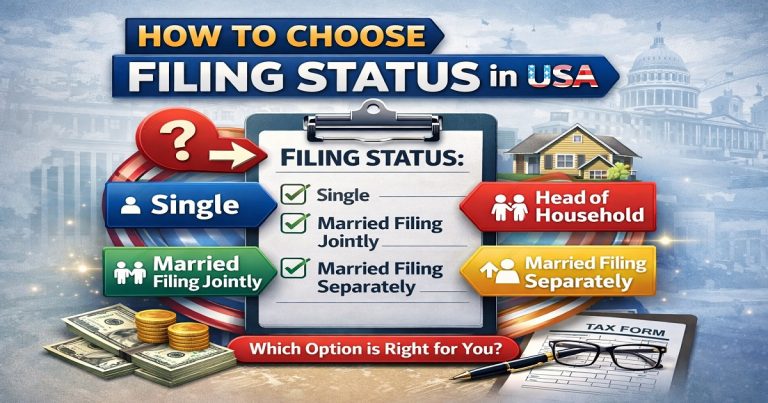
In the case of married couples, they have two ways to file: married filing jointly and married filing separately.
Married Filing Jointly
This is the most prevalent one. The incomes of both spouses are added together and they can enjoy a larger standard deduction and better tax brackets which may reduce their total taxable income and tax rate.
Married Filing Separately
In other instances, couples can opt to file separately in a bid to minimize their tax liability especially when one of them has high deductions or liabilities. Nevertheless, this status can be associated with increased tax rates and reduced tax benefits in comparison to joint filings.
The decision between these filing statuses lies with different factors such as income, deductions, and tax credits.
Understanding Taxable Income Brackets
Taxable Income Brackets
Taxable income brackets are income groups which are taxed at different rates. The system of the taxation of federal income in the U.S. is progressive i.e. the higher is your taxable income, the higher is the rate of taxation of this income. Here is an example: you can pay a lower tax rate on a portion of the income, and higher tax rate on income over a particular amount. These brackets are annually reviewed to inflation.
How Tax Brackets Affect the Final Tax Rate on Taxable Income
The tax rate that you will pay is determined by the tax bracket in which your taxable income is located. The higher the income, the higher is the tax rate. Nevertheless, tax is only imposed on the income in every bracket at the given rate. This is to make sure that taxpayers whose income is higher can only pay the higher rates based on the portion of the income that surpasses the threshold of each of the brackets.
Discussion of Federal vs. State Taxable Income
Besides federal taxable income, other states have their own state income tax brackets and rates. The tax rates and brackets of state taxes differ considerably, and in certain states, there is no income tax at all. In determining your total tax payable, you need to take into consideration both the federal and state taxes since they can influence the total sum of money you pay.
Strategies to Lower Taxable Income
How to Lower Taxable Income
To reduce the amount of taxable income and to decrease the total tax liability, there are some efficient measures:
Tax-Deferred Contributions
If you make contributions to retirement plans like a 401(k) or IRA, you may defer taxation on the amounts you contributed to the plan. These are contributions that decrease your taxable income during that period and thus it has the potential to decrease the income that is liable to tax.
Health Savings Accounts (HSAs)
A taxable income can also be lowered by making contributions to an HSA, which are tax-deductible. Also, medical expenses made to withdrawals are tax-free.
Itemized Deduction
When your deductible expenses are higher than the standard deduction, you may itemize deductions on your tax return, which may include mortgage interest, property taxes and even charitable contributions.
Education Savings
It can be used to save money in an education savings account or to take tax deductions on tuition and interest on student loans to lower your taxable income.
Losses on the Capital
In case you have investments that were depreciated then you can sell them to offset capital gains with these losses which reduces the taxable income.
Non-Taxable Income vs Taxable Income
Non-taxable income refers to those earnings which by law are not subject to federal taxation. This can be in the form of gifts, inheritance, life insurance benefits, child support benefits and interest on some municipal bonds. These sources of revenue are not considered as taxable income and have no impact on the amount of tax you pay.
Conversely, taxable income encompasses all the income which can be taxed, including wages, business income, interest and dividends. Knowing the difference will enable you to properly report income and plan your tax strategy by knowing what to report and what does not have to be taxed.
Real-World Examples of Taxable Income
Taxable Income Examples
In order to get a clearer picture of the taxable income, a few real-life situations are the following:
Example 1: Salaried Worker
- Gross Income: $60,000 (salary)
- Adjustments: $5,000 (retirement contributions)
- Taxable Income Calculation:
- Adjusted Gross Income (AGI): $60,000 – $5,000 = $55,000
- Standard Deduction (Single filer, 2023): $13,850
- Final Taxable Income: $55,000 – $13,850 = $41,150
- In this case, the taxable income will be 41,150 after the adjustments and the standard deduction have been applied.
Example 2: Self-Employed Worker
- Gross Income: $80,000 (freelance work)
- Adjustments: $10,000 (business expenses)
- Taxable Income Calculation:
- Adjusted Gross Income (AGI): $80,000 – $10,000 = $70,000
- Standard Deduction (Single filer, 2023): $13,850
- Final Taxable Income: $70,000 – $13,850 = $56,150
- The taxable income of the self-employed worker is 56150 after deducting the business expenses and deduction.
Taxable Income After Deductions
Deductions contribute a great amount of reducing your taxable income. The following is a breakdown of their working:
Without Deductions
Assume that your gross income is $75,000. Your gross income is equal to your taxable income in the absence of deductions: $75,000.
With Deductions
It is the amount of income taxed that is significantly less than the amount of income that is taxed, even assuming that you do claim the standard deduction of $13,850 (single filer) your taxable income will be reduced to $61,150.
This illustration shows that standard deduction or itemized deductions can decrease the amount of your taxable income, which will ultimately lower the level of tax you should pay.
State and Federal Taxable Income
Federal Taxable Income
Federal taxable income is the amount of income that is subject to the federal income tax. Computed by dividing your gross income by some adjustments (retirement contributions or student loan interest) that are permitted to deduce your Adjusted Gross Income (AGI). You may then use the standard deduction or itemized deductions to further reduce your AGI to come up with your final taxable income.
This is taxable income in the federal tax and this income is then calculated to determine the available federal tax brackets which would give you the rate to which your income would be taxed. The U.S possesses a progressive type of tax whereby the higher the income that is supposed to be taxed, the higher is the rate at which it is taxed.
State Taxable Income
The state taxable income is the amount of income on which the state income tax is imposed. It is similar to federal taxable income and differs with state specific laws, rules and tax rates. Every state has its income tax brackets, deductions and exemptions and not all states have an income tax.
Numerous states can rely on their own deductions, exemptions, and tax rates even though some of them form the basis on the federal taxable income. As an illustration, some states might have increased standard deductions or some special tax credits on some expenses (i.e. tuition, or property taxes), which may further decrease the state taxable income.
The major difference between state and federal taxable income is that states are not bound by any other requirements to determine the taxable income and the states have their own unique taxable rates that could be very different than the federal rates. Furthermore, we have states that do not impose state income tax and others may have an increase in tax rates or may have a different tax structure.
Real-Life Examples of Taxable Income
The concept of taxable income can be simplified by dividing it into real-life examples.
Single Individual with a Job
Sarah works as a marketing manager and earns a gross income of $60,000 per year. She claims the standard deduction of $12,550 for a single filer. Her taxable income would be $60,000 – $12,550 = $47,450. This is the income that Sarah will pay taxes.
Married Couple Filing Jointly
John and Emily, a married couple, have a combined income of $100,000. They decide to take the standard deduction of $25,100 for married filing jointly. Their taxable income is $100,000 – $25,100 = $74,900. This is taxable according to the prevailing tax rates of married couples.
Self-Employed Freelancer
Mark is a freelance web designer and makes a gross income of 75,000. He is allowed to deduct business expenses including equipment, subscriptions to software and home office expenses amounting to 10,000. After subtracting these expenses, his taxable income becomes $75,000 – $10,000 = $65,000.
Retiree Drawing from a 401(k)
Jane is a retired person and withdraws $30,000 in her 401(k) plan. Since this is regarded as taxable income it will be included in her total taxable income. Her deductions are zero, and therefore, she has a taxable income of $30,000.
These illustrations help in demonstrating the calculation of taxable income and treatment of various sources of income such as wages, business income and retirement benefits under the tax laws in the United States.
Real Case Laws and Case Studies on Taxable Income
Case studies and case laws are useful in giving insights on the interpretation of taxable income in real world legal situations. Below are a few examples:
Commissioner v. Glenshaw Glass Co. (1955)
This historic case was in that the U.S Supreme Court held that punitive damages granted to a company would be taxable income. Such damages were not to be subject to tax, the company had maintained; but the Court decided that gross income is income of whatever origin, except where it is expressly stated by law to the contrary. This decision expanded the interpretation of taxable income to include unexpected sources such as legal settlements.
Cheek v. United States (1991)
Here the defendant, Cheek, argued that he was unaware that his wages were taxable, arguing that he believed that the tax laws were unconstitutional. The Supreme Court decided the ignorance of the law is no defense against a charge of tax evasion. The case supported the idea that any income, which is earned whether in form of wages, is liable to pay the federal income tax, irrespective of whether the taxpayer is aware or not of the law or not.
Taxable Income from Bartering – IRS Notice 2002-18
Where the goods or services obtained as a result of bartering are in form of goods and services rather than money, the fair market value of the received goods or services is deemed taxable income by the Internal Revenue Service (IRS). An example is when a business offers accounting services in the form of office furniture, the fair market value of the furniture should be reported as taxable income. This case study brings out the importance of taxable income as being derived even on non-cash transactions.
These case studies show how the U.S. courts and tax authorities calculate taxable income which is no longer based on cash income, but can also be on settlements, barter exchanges, etc.
FAQs
What is taxable income?
The income that is liable to taxes after deductions and exemptions is known as taxable income.
What is the difference between taxable income and gross income?
The gross income is the income received before being deducted and taxable income is the amount of gross income that is liable to tax after deductions and exemptions.
How do I calculate my taxable income?
To determine your taxable income, take your gross income and deductions that are allowed and then subtract it in your gross income, standard deductions or itemized deductions.
What deductions can lower taxable income?
Typical deductions are student loan interest, medical expenditures, retirement payments, and mortgage interest.
Is retirement income taxable?
Yes, the majority of retirement income which includes pensions, 401(k) withdrawals, and Social Security payments is taxable.
Do self-employed individuals pay taxes on taxable income?
Yes, the self-employed are also taxed on their taxable income but they are also able to offset their business related expenses on their income.
What are tax brackets and how do they affect taxable income?
Tax brackets will decide how the taxable income will be taxed, whereby the higher the income, the higher the rate of taxation it will be charged.
Can taxable income be exempt from tax?
Yes, certain types of income are exempt from taxes, such as certain retirement income or income from specific government programs.
Conclusion
Conceptualizing taxable income is essential to both individuals and businesses as a way of following the U.S. tax laws and making sound financial decisions. Whether you are determining income due to wages, self-employment or retirement savings, it is important to remember that you can deduce and have exemptions that will reduce the amount of income subject to taxation.
The complexities of taxable income are illustrated in real life experiences and case laws, such as the income derived through wage earnings, and court settlements and barter. Knowing the definition and calculation of taxable income enables you to claim as many deductions as possible and as little tax as possible, to be paying the correct amount of tax. Alternatively, keep informed about tax regulations, and consult a professional when necessary to maneuver the complexities of your taxable income.